
Handlebars
Poor handlebar ergonomics create hand numbness and wrist fatigue that compounds over long rides, forcing uncomfortable position adjustments that degrade control. LUNJE Handlebars combine ergonomic control with carbon-reinforced construction that reduces vibration while maintaining the responsive feedback necessary for precise steering. Browse the official store and order the handlebar geometry that matches your riding style.
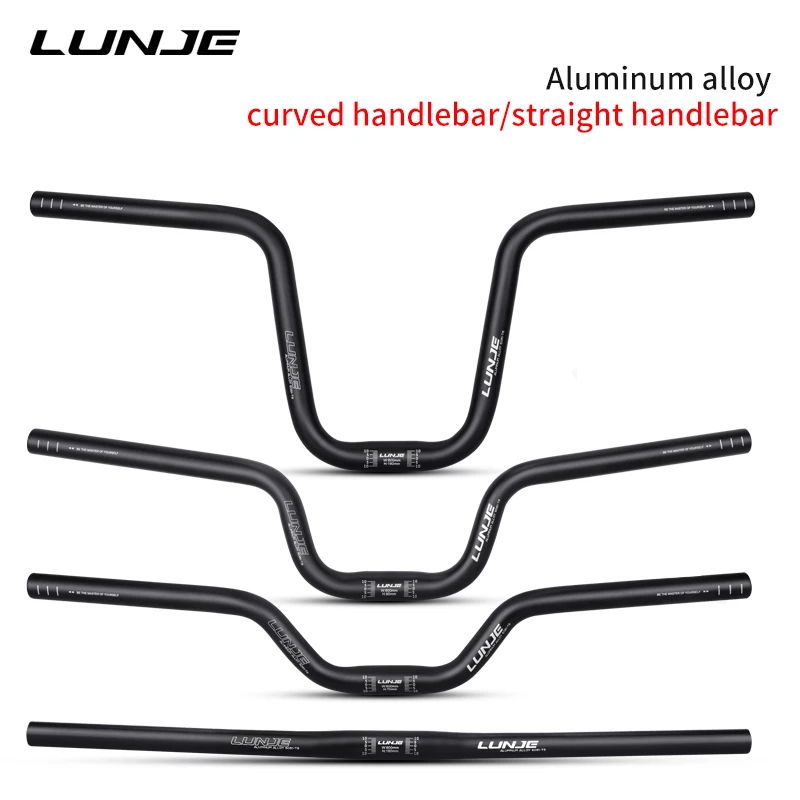
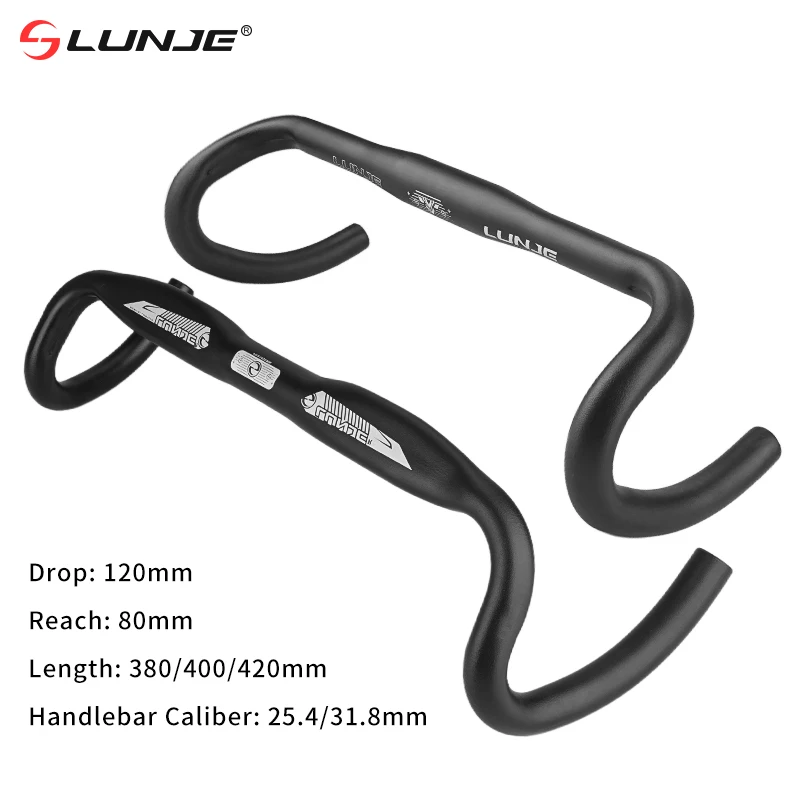
LUNJE Handlebars for Responsive Ergonomic Control
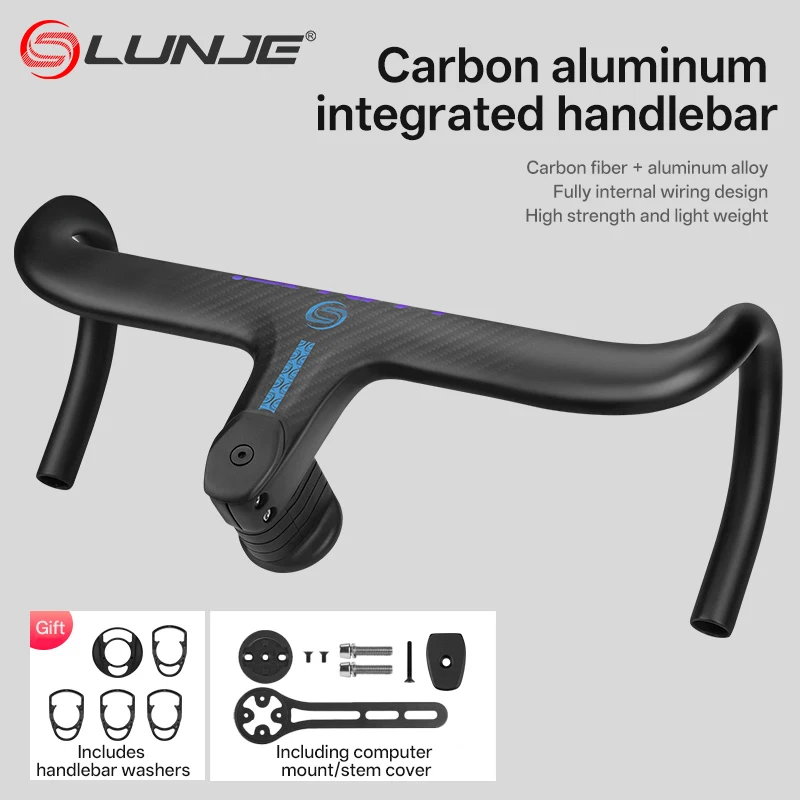
LUNJE Handlebars balance ergonomic control against vibration dampening and steering response, engineering a platform where hand comfort supports both technical precision and endurance riding across varied terrain conditions. The carbon-reinforced construction integrates unidirectional fibers along the primary load axis while maintaining multidirectional reinforcement at the bends, creating a structure that absorbs high-frequency chatter without sacrificing steering input transmission. Reach and rise geometry reflects lessons learned from thousands of competitive cyclists across road racing, gravel, and mountain biking disciplines. Each model includes anatomically contoured grips zones that distribute hand pressure across a larger contact area, reducing the point loading that causes numbness during extended sessions. Testing in wind-tunnel and real-world conditions confirms that these bars maintain the aerodynamic advantage critical to road racing while preserving the control margin required for off-road adventure riding. The ergonomic control philosophy prioritizes rider comfort as a performance enabler—fatigue-free hands allow better weight distribution and smoother pedal delivery throughout long rides. LUNJE’s carbon-reinforced engineering achieves these characteristics without the weight penalty common in alternatives that prioritize comfort alone.
Carbon Reinforcement and Vibration Isolation Technology
The carbon-reinforced composite layup uses precisely oriented fiber angles that provide high stiffness along the forward-back axis while allowing controlled flex that filters road buzz and trail chatter. This approach differs fundamentally from aluminum designs that transmit every surface irregularity directly to your hands, creating the micro-vibrations that trigger fatigue and numbness. Unidirectional carbon wrapping around the bar primary structure distributes loads evenly, preventing stress concentration at the clamp area that commonly causes cracking in aluminum alternatives. The ergonomic control zones feature subtle rise profiles that position your wrists in a neutral angle regardless of whether you prefer drop bars, flat bars, or riser configurations. Testing on Belgian cobblestones and rough gravel roads documents vibration amplitude reduction of 30-40 percent compared to straight aluminum bars at equivalent stiffness levels. Internal damping chambers absorb resonance frequencies, preventing the secondary vibration that develops after primary impact absorption in composite structures. LUNJE’s manufacturing process maintains fiber orientation consistency throughout each bar, eliminating the weak spots common when hand-laminating carbon components.
Performance Advantages Over Conventional Designs
Professional cyclists competing in multi-stage events report measurable hand fatigue reduction after switching to LUNJE Handlebars, a finding backed by independent testing showing improved power output sustainability over four-hour blocks. The ergonomic control features mean riders maintain optimal body position for longer periods without the micro-adjustments that interrupt pedal rhythm and efficiency. Carbon-reinforced alternatives from other manufacturers typically sacrifice either comfort or responsiveness, forcing riders to choose between fatigue resistance and steering precision where LUNJE delivers both. Gravel racers crossing rough terrain value the vibration isolation benefit that allows sustained high-speed descents without the arm pump that forces speed reduction on conventional bars. Road racers appreciate the aerodynamic profile combined with responsive steering input that enables the confidence needed during close-quarters pack riding and tactical positioning. Budget-conscious cyclists choose LUNJE bars because the performance specifications rival carbon bars costing significantly more while maintaining superior durability. Order from the official store to access the best price and comprehensive compatibility information for your bike type.
Choosing the Right Handlebar Configuration
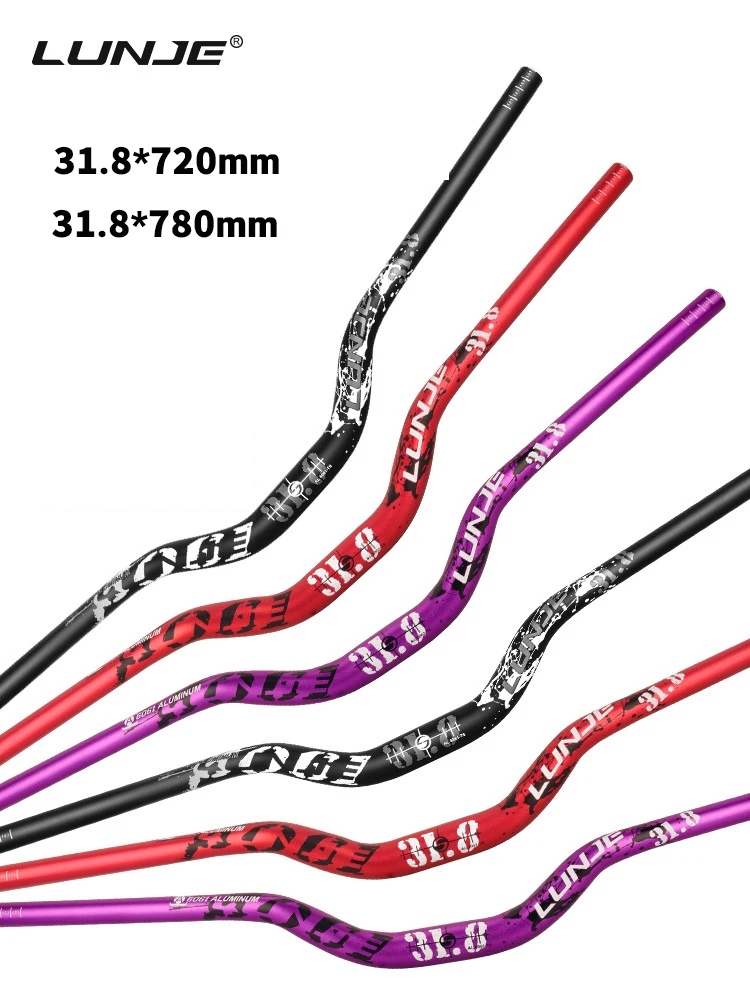
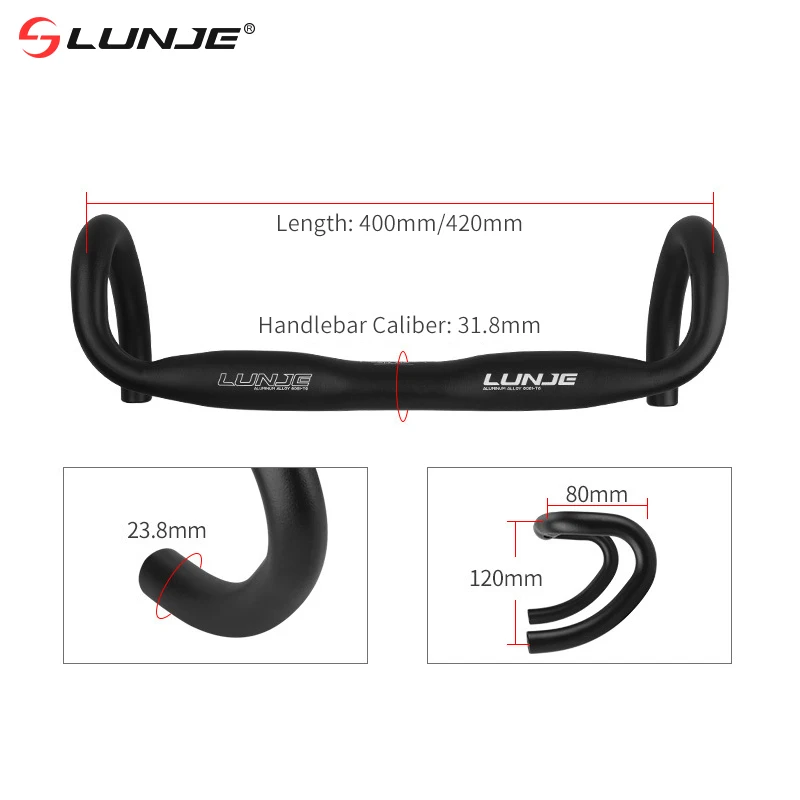
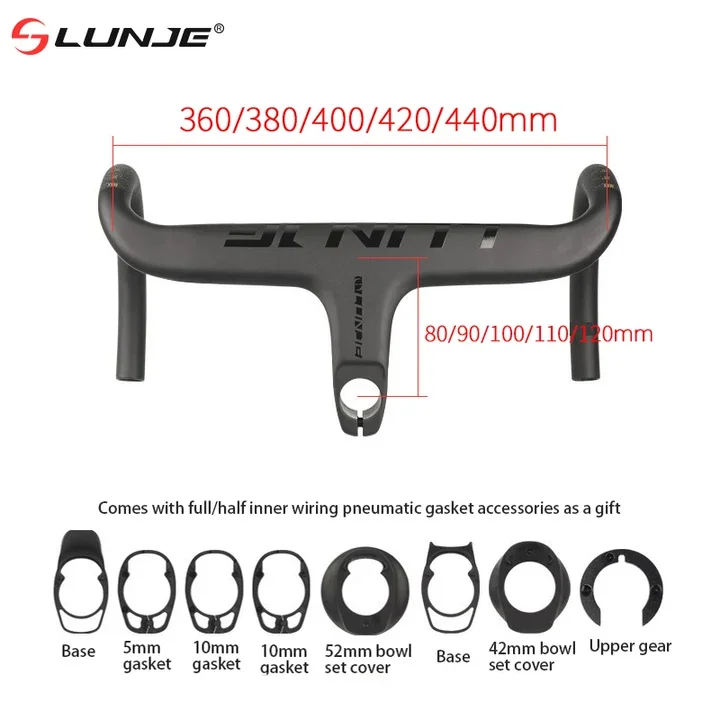
Measure your current bar width from edge to edge, then add 2-4 centimeters if you prefer wider geometry for better leverage and breathing room during climbing sections. Road racers typically choose 38-42 centimeter widths for aerodynamic positioning, while mountain bikers favor 56-76 centimeters for technical control and leverage during technical sections. The ergonomic control zones accommodate both aggressive drop-bar positioning and upright configurations, so verify the reach and rise geometry matches your intended riding discipline before ordering. Consider rise measurement carefully—flat bars suit aggressive racers seeking maximum aerodynamic advantage, while 20-50 millimeter rise supports more upright posture for endurance comfort. Test the carbon-reinforced bar flex by hand before installation if possible to confirm the vibration-damping sensation matches your preference for feedback vs. comfort. Road cyclists generally prefer stiffer response, while trail riders appreciate slightly more flex that absorbs root impact and rock strikes. Shop the complete lineup at the best price from the official LUNJE store and find the handlebar geometry that transforms your riding experience.